Mauritius offers a perfect mix of stunning beaches, cultural diversity, and outdoor adventures for every type of traveler. This mauritius travel guide helps you plan where to go, what to do, and how to make the most of your island escape.
The Ultimate Mauritius Travel Guide for Your Dream Island Escape
Mauritius is a tropical gem tucked away in the Indian Ocean, celebrated for its crystal-clear lagoons, white-sand beaches, and eclectic cultural tapestry. If you are planning a dream getaway that combines sun-soaked relaxation with exciting aquatic sports, this mauritius travel guide is the perfect companion. Before you fly, it is worth checking the best time to visit Mauritius to ensure perfect weather for your activities. Whether you are celebrating your honeymoon, exploring the world solo, or gathering the family for an unforgettable holiday, knowing where to stay in Mauritius is the first step toward a seamless experience.
Exploring Pristine Beaches and Coastal Wonders
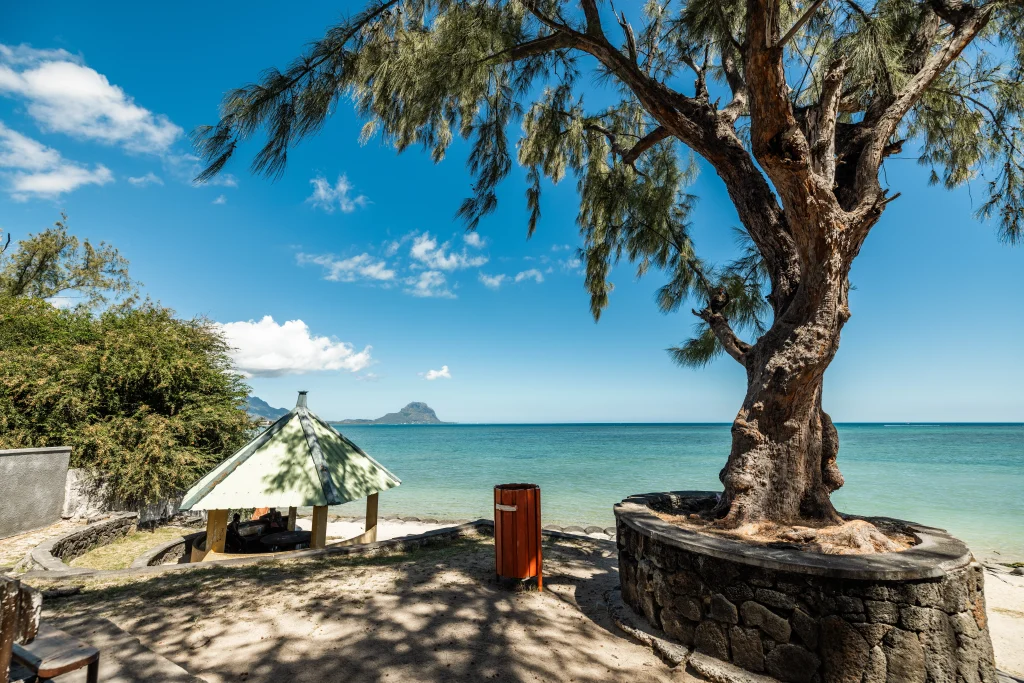
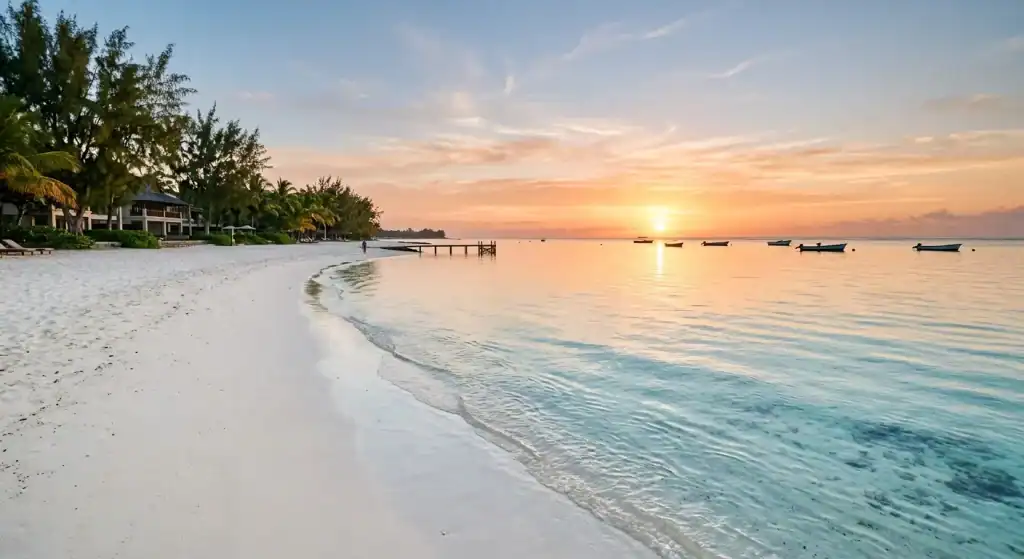
The beaches of Mauritius are among the most inviting in the world, offering an intoxicating mix of powdery sand and glimmering turquoise water. You can find extensive details on the most picturesque spots in our guide to the best beaches in Mauritius.
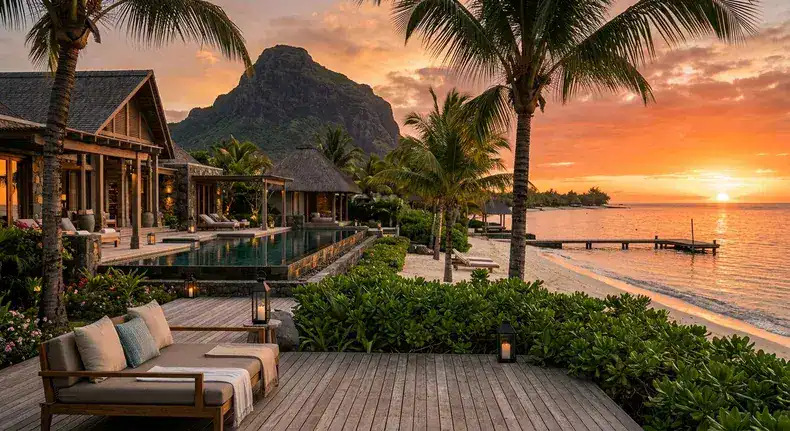
Beach selection: Grand Baie, located in the north, combines lively beach vibes with cosmopolitan amenities, while Belle Mare on the east coast is renowned for painting the shoreline in pastel hues during sunrise. For dramatic views, make your way to Le Morne on the southwestern tip, where the rugged mountain background creates an awe-inspiring setting for kitesurfing.
Exciting Activities and Local Cultural Experiences
Mauritius is a wonderland for aquatic enthusiasts and hikers alike, with countless things to do in Mauritius regardless of your skill level.
Activity variety: You can snorkel among colourful corals or trek through the lush vegetation of the Black River Gorges National Park. According to safety data from the U.S. Department of State, the island remains a welcoming and secure environment for international visitors. Furthermore, Statistics Mauritius notes that the tourism sector is a cornerstone of the local economy. Research regarding the tourism sector’s contribution highlights how the island has successfully balanced development with its unique cultural heritage.
Essential Logistics and Planning for Your Trip
Navigating the island requires an understanding of the various places to visit in Mauritius that are spread across its diverse districts.
Travel method: To visualize your route, it is helpful to consult a Mauritius tourist map before heading out. When planning how to get to Mauritius, most travelers arrive via international flights into the main hub near Mahebourg. International data from WorldData confirms that the island continues to grow in popularity as a top-tier global destination. For those interested in the environmental preservation of these sites, organizations like EPCO provide insights into sustainable tourism efforts across the region.
Mauritius Travel Guide
Mauritius is a tropical island in the Indian Ocean known for its beaches, mountains, coral reefs, and multicultural culture. It has two main seasons: a warm, humid summer from November to April and a cooler, drier winter from May to October. Each season offers different travel experiences depending on what you want to do.
Best Time to Visit Mauritius
-
November–April (Summer): This is the hottest and most humid season, but also the best time for classic island experiences. The ocean is warm, visibility is excellent, and conditions are perfect for swimming, snorkeling, scuba diving, and island hopping. Beaches are at their most vibrant, but this is also peak tourist season, so expect higher prices and more crowded resorts and attractions.
-
May–October (Winter): Cooler, drier, and more comfortable for outdoor exploration. This is the best period for hiking trails, nature parks, sightseeing, and cultural tours. The landscapes are lush after summer rains, and the reduced humidity makes long excursions more enjoyable. It is also a better time for budget travelers due to lower accommodation costs and fewer crowds.
-
July–September: Known as the best window for wind-based water sports, especially kitesurfing and windsurfing in Le Morne, which is internationally famous for its consistent wind conditions. This period is also good for surfing and active coastal sports.
-
December–January: A festive peak season filled with celebrations, events, and lively nightlife. While the atmosphere is energetic and culturally rich, it is also the most expensive and busiest time to visit, so advance booking is essential.
Top Things to Do
-
Beaches & Water Activities: Mauritius is famous for its calm lagoons and coral reefs. Visitors can enjoy swimming, sunbathing, snorkeling, diving, parasailing, kayaking, and deep-sea fishing. Popular beaches include Flic-en-Flac, Trou-aux-Biches, and Belle Mare, each offering unique scenery and water conditions.
-
Island Hopping: Explore nearby islands such as Île aux Cerfs, Gabriel Island, Coin de Mire, and Benitiers Island. These islands are known for crystal-clear waters, coral reefs, dolphin sightings, and peaceful beaches perfect for day trips.
-
Nature & Hiking: The island offers incredible natural diversity. Black River Gorges National Park features dense forests, waterfalls, and rare wildlife. Le Morne Brabant offers a UNESCO-listed hike with panoramic ocean views. Chamarel and Rochester Falls are among the most scenic waterfalls on the island.
-
Adventure Sports: For thrill-seekers, Mauritius offers ziplining through forests, quad biking across rugged terrain, mountain biking trails, canyoning, and rock climbing. These activities showcase a more adventurous side of the island beyond its beaches.
-
Wildlife & Conservation: Visit Île aux Aigrettes, a nature reserve protecting endangered species, or La Vanille Nature Park, home to giant tortoises, crocodiles, and exotic plants. These sites highlight Mauritius’ commitment to conservation and biodiversity.
Culture & Attractions
Mauritius has a deeply multicultural identity shaped by Indian, African, Chinese, and European influences, reflected in its traditions, architecture, and daily life.
-
Port Louis: The capital city is a vibrant mix of modern life and history, featuring bustling markets, museums, street food stalls, and colonial-era buildings.
-
Chamarel: Famous for its Seven Colored Earth, a natural geological formation, along with a scenic waterfall surrounded by lush greenery.
-
Ganga Talao (Grand Bassin): A sacred Hindu pilgrimage site located in a volcanic crater lake, surrounded by temples and religious statues.
-
Aapravasi Ghat: A UNESCO World Heritage Site that represents the history of indentured labor migration and plays an important role in Mauritian cultural identity.
Food & Local Experiences
Mauritian cuisine is a vibrant fusion of Creole, Indian, Chinese, and French culinary traditions, making food one of the highlights of any visit.
-
Street food is widely available and includes popular items like dholl puri (flatbread filled with lentils), samosas, and gateaux piments (spicy fritters).
-
Seafood is a major part of coastal dining, with fresh grilled fish, octopus curry, and lobster being common highlights in seaside restaurants.
-
Rum distilleries such as Chamarel and St. Aubin offer guided tours, tastings, and insights into the island’s sugarcane heritage.
-
Cooking classes and food festivals allow travelers to learn traditional recipes and experience authentic local flavors firsthand.
Festivals & Events
Mauritius is culturally vibrant year-round, with celebrations that reflect its diverse heritage.
-
Diwali (Festival of Lights): Celebrated with lamps, fireworks, and sweets across homes and public spaces.
-
Chinese Spring Festival: Features dragon dances, lantern displays, and cultural performances in major towns.
-
Mauritius Carnival: A colorful celebration with parades, music, and dancing, especially in Port Louis.
-
Sega Music & Dance: A traditional Mauritian art form performed at resorts, festivals, and cultural events throughout the year.
Travel Tips
-
Book flights, hotels, and tours early during peak seasons (especially November–January) to secure better prices and availability.
-
Consider traveling in shoulder months like May or October for a balance of good weather, fewer crowds, and lower costs.
-
Renting a car is highly recommended for flexibility and easier access to beaches, viewpoints, and inland attractions.
-
Always carry sunscreen, sunglasses, and hats due to strong tropical sun exposure year-round.
- Respect local customs, especially in religious and rural areas, and support eco-friendly tour operators where possible.
Key Takeaways
- Mauritius is a year-round destination, though the warmer months from November to April are peak season.
- The island features a diverse culinary scene influenced by Creole, Indian, Chinese, and French traditions.
- Top activities include snorkeling, kitesurfing at Le Morne, and hiking in National Parks.
- Safety is a high priority, though standard travel precautions and respect for local customs are advised.
- Renting a car or using a tourist map is essential for exploring the island’s varied regions.