

First-time travelers to Mauritius often struggle with planning the right time to visit, choosing the best regions, and understanding local customs. This guide is designed for beginners who want a smooth, well-prepared trip without missing key experiences. You’ll learn essential travel tips, must-know cultural insights, and practical advice to enjoy Mauritius confidently from start to finish.
Essential Tips for First-Time Visitors to Mauritius
Mauritius is a shimmering jewel in the Indian Ocean, offering a blend of volcanic landscapes, turquoise waters, and vibrant multiculturalism. For many, a trip here is a bucket-list experience, one that requires a bit of savvy navigation to truly master. When considering your debut trip, you must ask: what do first-time visitors need to know about Mauritius? Understanding how to get to Mauritius is just the beginning of your adventure in this tropical paradise.
Preparing Your Journey
Planning your trip at the right time is key to enjoying Mauritius at its best. The island’s weather and visitor levels change throughout the year, so choosing wisely helps you avoid cyclone season while enjoying better sunshine, lower crowds, and more comfortable travel conditions. In general, May to December is preferred for milder humidity and pleasant outdoor weather.
Where you stay also shapes your experience. Mauritius offers everything from luxury beachfront resorts to budget guesthouses, with each region providing a different atmosphere. Whether you prefer lively coastal towns or quiet natural escapes, there’s an option for every type of traveler.
Setting the right timeline for your trip is essential for a comfortable experience. According to official statistics, the island sees fluctuations in visitors based on the weather. Identifying the best time to visit Mauritius helps you avoid the cyclone season while enjoying optimal sunshine.
Best Time to Visit Mauritius
- May–October: Cool, dry weather ideal for sightseeing and hiking
- November–April: Warm conditions perfect for beaches and swimming
- July–September: Best for kitesurfing and wind sports
- December–January: Festive but crowded and expensive
Furthermore, choosing where to stay in Mauritius depends on whether you seek the bustling energy of the north or the serene luxury of the south. The tourism business sector continues to expand, providing a diverse range of accommodations from high-end resorts to local guesthouses.
Where to Stay in Mauritius
-
North: Nightlife, dining, and shopping
-
East: Quiet beaches and luxury resorts
-
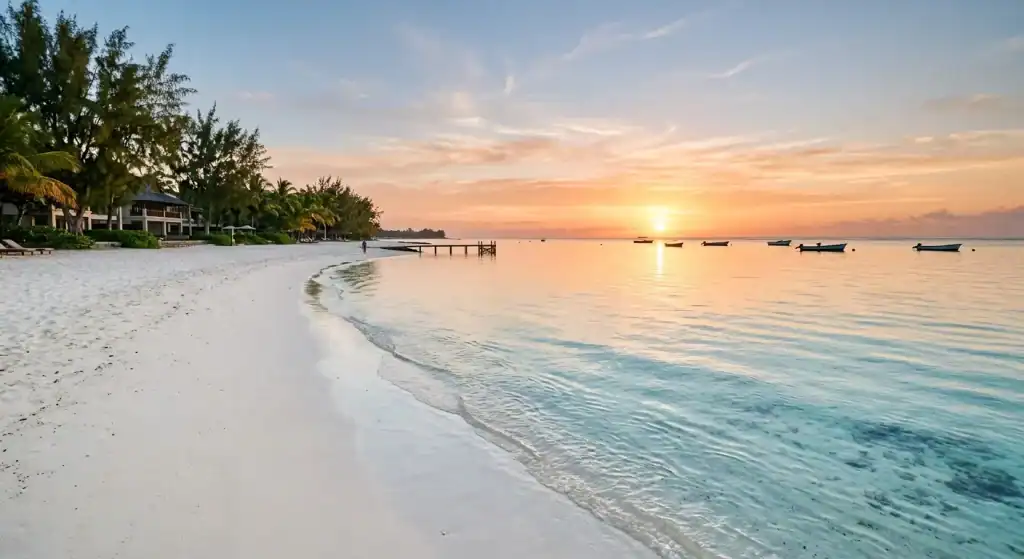
West: Sunsets, dolphins, and water activities
-
South: Nature, hiking, and peaceful landscapes
Weather tip: The period from May to December is often preferred for its mild humidity and cooler temperatures.
Cultural Awareness and Communication
Mauritius is a melting pot of cultures, and respecting local norms is paramount. While English is the official language, you might wonder what language do they speak in Mauritius on a daily basis, the answer is largely Mauritian Creole and French.
Language tip: Learning a few basic Creole phrases can significantly enhance your interactions with residents.
Visitors should always consult official travel advice to stay updated on local regulations.
Etiquette rule: Modest clothing is recommended when entering religious sites like the Ganga Talao. Being polite and greeting locals is a simple way to honor the island’s hospitable spirit.
Exploring the Natural Wonders
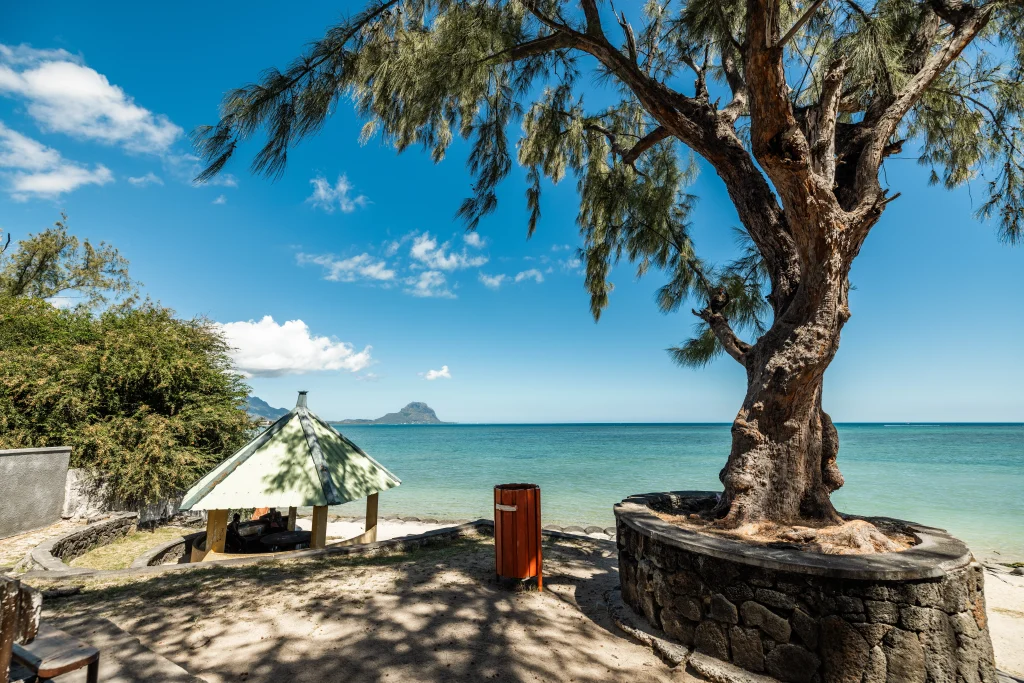
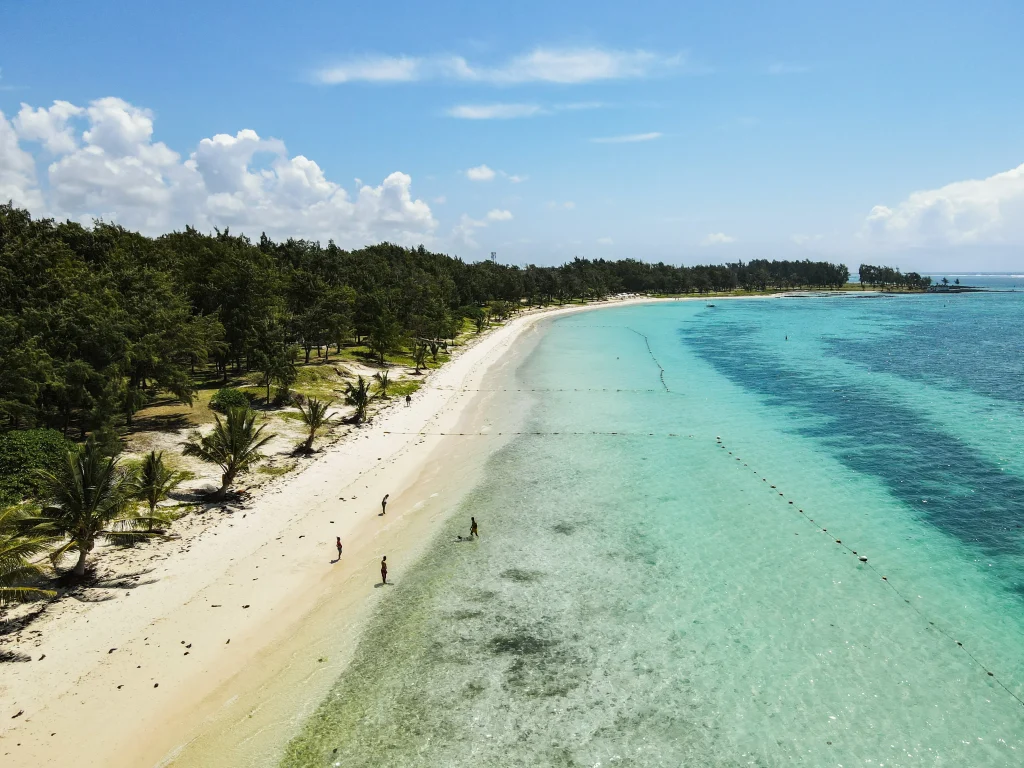
There are endless things to do in Mauritius, ranging from mountain trekking to deep-sea diving. The tourism sector’s role in development has preserved many natural sites, ensuring that the best beaches in Mauritius remain pristine.
Whether you are exploring the Seven Coloured Earths or lounging under a palm tree, the variety of landscapes is staggering.
Adventure note: Always carry reef-safe sunscreen to protect the delicate coral ecosystems. Academic research on the region highlights the importance of sustainable tourism to protect these natural assets for future generations.
Navigating the Island
Getting around requires a choice between convenience and local immersion. Taxis are plentiful but can be expensive, while the bus system offers a highly affordable way to see the country. If you choose to drive a rental car, remember that traffic moves on the left side of the road, a remnant of British colonial history. Transportation advice: Always negotiate taxi fares before starting your journey if a meter is not in use.
What First-Time Visitors Need to Know About Mauritius
Mauritius offers a perfect mix of beaches, culture, and adventure, but first-time visitors benefit most when they plan ahead. Understanding the weather patterns, regional highlights, transport options, and cultural etiquette helps create a more enjoyable and stress-free experience. With the right preparation, your first trip to Mauritius becomes not just a holiday, but a memorable and well-balanced journey across one of the Indian Ocean’s most beautiful islands.
Plan Your Mauritius Trip with Expert Help
Ready to explore Mauritius with ease? Get personalized travel assistance, curated itineraries, and local insights by visiting Island Route. Whether you’re planning a luxury escape, adventure tour, or cultural journey, Island Route helps you design a seamless experience from start to finish.
Frequently Asked Questions
1. What should I know before visiting Mauritius?
Mauritius is safe, welcoming, and culturally diverse. Visitors should respect local customs, plan transport in advance, and prepare for strong sun exposure by using sunscreen and staying hydrated throughout their trip.
2. Is there a complete travel guide to Mauritius in 2026?
Yes, updated 2026 travel guides include current details on attractions, accommodations, transport, and seasonal travel tips. These guides help visitors plan efficiently and choose the best time and places to explore.
3. What regions should I explore in Mauritius?
Each region has unique characteristics. The north is lively with nightlife, the east offers calm beaches, the west is ideal for sunsets and water sports, and the south is perfect for hiking and nature experiences.
4. What currency and payment methods are used in Mauritius?
The local currency is the Mauritian Rupee (MUR). While cash is useful for small shops and local markets, most hotels, restaurants, and larger establishments accept major credit cards. ATMs are widely available across the island, making it easy to withdraw cash when needed.
5. What is the best time to visit Mauritius?
May to October is ideal for cooler weather and sightseeing, while November to April is best for beach activities. July to September is especially good for kitesurfing due to strong winds.
Key Takeaways
- Seasonality: Visit between May and December for the best weather.
- Communication: Learn basic Creole phrases to connect with locals.
- Cultural respect: Dress modestly at temples and religious sites.
- Logistics: Use a mix of taxis and local buses for transport.
- Preparation: Check current travel advisories before departure.