

Planning a trip to Mauritius can feel overwhelming, especially for first-time travelers unsure where to go and how to make the most of their time. This guide is designed for travelers who want a smoother, more authentic island experience beyond the usual tourist spots. You’ll learn where to go, practical travel tips, and how to plan efficiently while discovering hidden gems..
Mauritius Travel Guide to Planning Your Perfect Island Escape
Mauritius travel represents a chance for you to savour postcard-perfect beaches, sample a fusion of international cuisines, and immerse yourself in welcoming island culture that is as vibrant as it is diverse. Before you set off, understanding how to get to Mauritius and identifying the best time to visit Mauritius are essential first steps for any itinerary. Whether you are planning a romantic honeymoon or seeking family-friendly adventures, the island delivers an unforgettable combination of natural splendour and laid-back charm.
Discovering Pristine Coastal Escapes
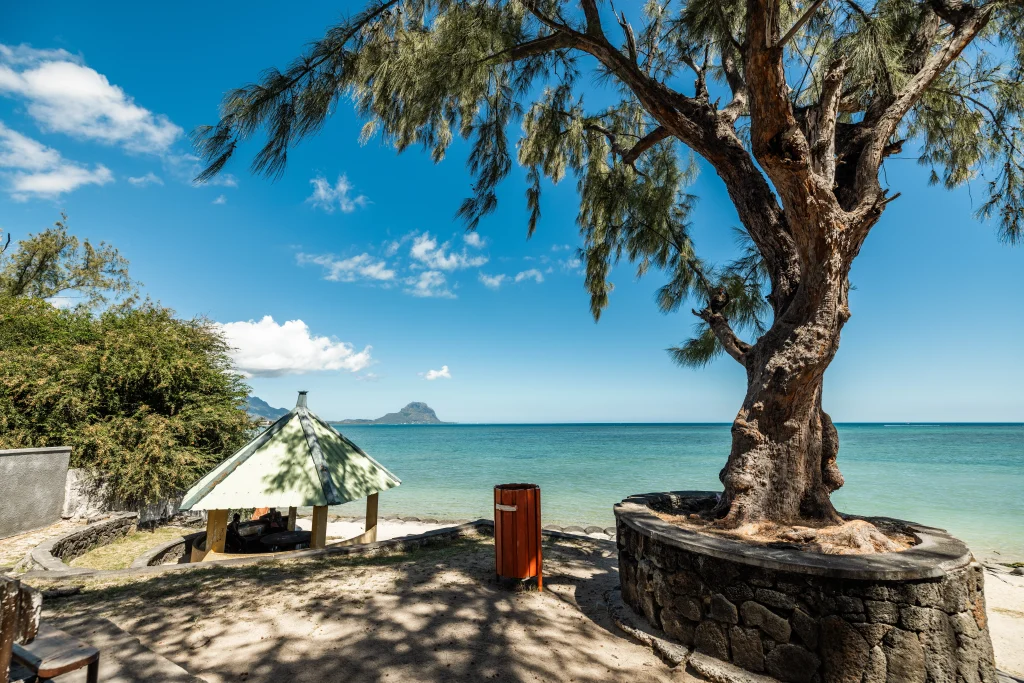
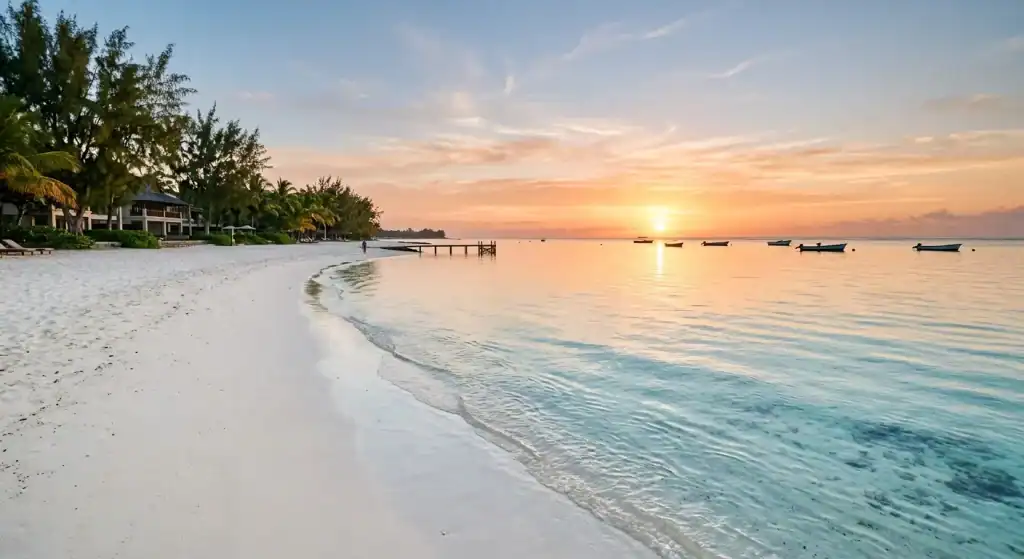
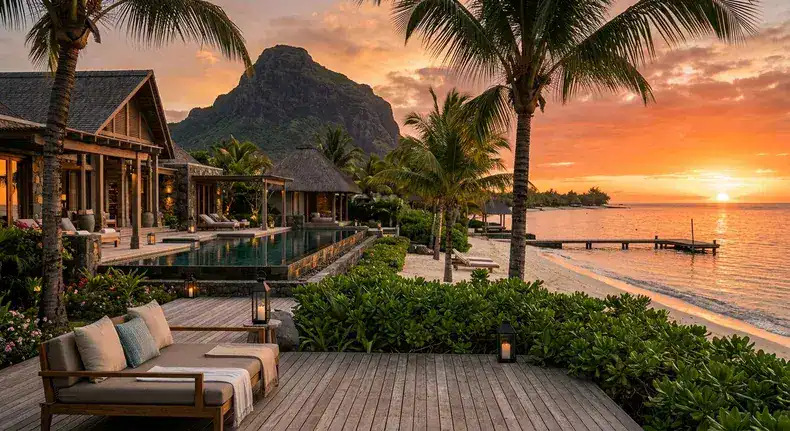
One of the most compelling reasons travelers choose Mauritius is its breathtaking coastline, where powdery white sand meets crystal-clear turquoise waters. These picture-perfect beaches are not only ideal for relaxation but also offer a wide range of activities, from swimming and snorkeling to sunset walks and boat excursions. Whether you’re seeking tranquility or adventure, the coastline delivers an experience that feels both luxurious and naturally unspoiled.
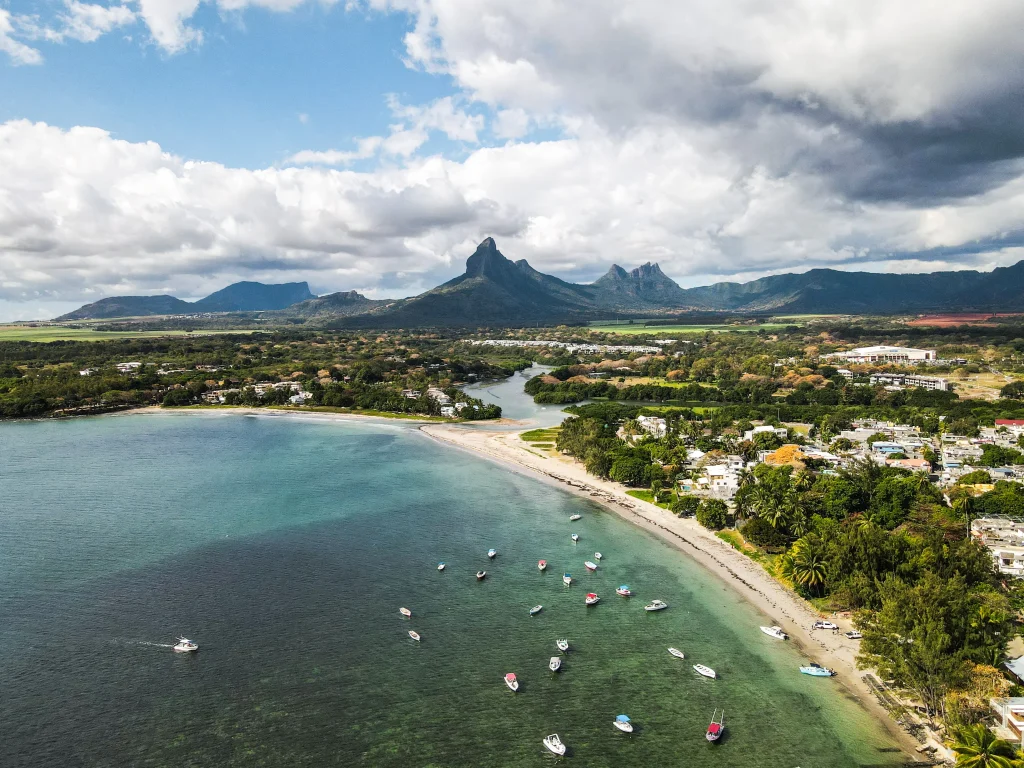
When selecting your base, exploring the best beaches in Mauritius helps you match your travel style with the right location. The north offers accessible and lively coastal spots like Mont Choisy, known for its calm, shallow waters, while the west is famous for Flic-en-Flac, where dramatic sunsets and long beachfronts create a more laid-back yet scenic atmosphere. The east, on the other hand, features quieter lagoons and upscale resorts, perfect for a more secluded escape.
Immersing in Local Culture and Inland Wonders
Beyond the beaches, the island shines as a melting pot of French, African, Indian, and Chinese roots. There are numerous places to visit in Mauritius that showcase this heritage, from the bustling Central Market in Port Louis to the colourful temples found in traditional villages. Deciding what to see in Mauritius often means balancing cultural landmarks with natural wonders like the Chamarel Seven Coloured Earths.
While Mauritius is often celebrated for its coastline, the island’s true depth is revealed inland, where culture, history, and everyday island life come together in a rich and colorful mix. The interior offers a slower, more grounded travel experience, allowing visitors to connect with local traditions, architecture, and community life in a way that feels more personal and immersive.
One of the most rewarding aspects of exploring inland Mauritius is the cultural diversity that shapes daily life. This diversity is reflected not just in major cities but also in small towns and villages, where different traditions coexist and influence food, festivals, language, and religious practices. Travelers often find that moving away from resort areas provides a more authentic understanding of how locals live, work, and celebrate their heritage.
Cultural and Historical Highlights
-
Port Louis Central Market: A lively hub where locals shop for spices, textiles, crafts, and fresh produce, offering a direct glimpse into everyday life
-
Aapravasi Ghat: A UNESCO World Heritage Site that reflects the island’s indentured labor history and migration roots
-
Traditional villages: Smaller communities where temples, churches, and mosques often stand within close proximity, showcasing cultural harmony
-
Local festivals: Colorful celebrations throughout the year that blend music, food, and religious traditions
Beyond cultural sites, Mauritius also offers striking inland landscapes that contrast beautifully with its coastal scenery. Rolling sugarcane fields stretch across large parts of the island, while forested regions and volcanic formations create opportunities for hiking, photography, and nature exploration. These areas provide a refreshing change of pace and reveal a more rugged, natural side of the island that many visitors overlook.
Inland Natural Attractions Worth Exploring
-
Scenic viewpoints overlooking valleys and coastlines
-
Forest reserves with endemic flora and birdlife
-
Volcanic landscapes shaped by the island’s geological past
-
Waterfalls hidden within lush green surroundings
Institutional insights from the Mauritius Tourism Promotion Authority highlight that integrating cultural heritage with visitor experiences is a long-term priority. This approach ensures that tourism supports local communities while preserving traditions and natural environments. As a result, travelers are encouraged not just to observe Mauritius, but to engage with it meaningfully through its food, its stories, and its landscapes.
Local Food and Culinary Experiences in Mauritius
Mauritius is a true culinary destination where different cultural influences come together to create a rich and flavorful food scene. Influenced by Indian, French, Chinese, and Creole traditions, the island offers a wide variety of dishes that reflect its multicultural identity. Exploring local cuisine is one of the most authentic ways to experience Mauritian life beyond its landscapes.
What Makes Mauritian Cuisine Special
Mauritian food is known for its bold flavors, fresh ingredients, and cultural fusion. Meals are often simple but deeply satisfying, blending spices, herbs, and cooking techniques from multiple traditions.
-
Fusion of Indian, French, Chinese, and Creole culinary styles
-
Heavy use of fresh seafood, tropical fruits, and spices
-
Street food culture that is affordable and widely available
-
Family-style meals that reflect strong community traditions
Must-Try Local Dishes
Visitors will find plenty of unique flavors to explore across restaurants, markets, and street stalls.
-
Dholl puri: Soft flatbread filled with seasoned split peas, often served with chutneys
-
Gateaux piments: Spicy fried chili and lentil fritters, popular street snack
-
Rougaille: A rich tomato-based stew served with fish, sausage, or meat
-
Mine frit: Stir-fried noodles influenced by Chinese cuisine
-
Fresh seafood: Grilled fish, octopus curry, and prawn dishes found along the coast
Where to Experience Authentic Mauritian Food
Food experiences are best enjoyed in both local settings and coastal towns where flavors are freshest.
-
Bustling street food markets in Port Louis and local towns
-
Beachfront eateries serving freshly caught seafood
-
Small family-run restaurants offering traditional home-style meals
-
Roadside stalls popular with locals for quick, affordable bites
Tips for Enjoying the Food Scene
A few simple tips can help you fully enjoy Mauritius’s culinary culture while discovering hidden gems.
-
Try street food for the most authentic flavors at local prices
-
Ask locals for recommendations on the best small eateries
-
Explore markets early in the day for fresh produce and snacks
-
Be open to spice levels, as some dishes can be quite flavorful
Mauritius’s food culture is an essential part of the travel experience, offering a deeper connection to the island’s people, history, and everyday life.
Adventure and Economic Vitality
Mauritius offers far more than a relaxed tropical escape, it is also a destination built for adventure seekers and active travelers. Across the island, visitors can find a wide range of outdoor experiences that take advantage of its diverse terrain, from volcanic mountain ranges to protected marine environments. This combination of land and sea activities makes it easy to design an itinerary that is both exciting and varied.
Adventure experiences in Mauritius often revolve around its natural geography. Inland trails lead through dense forests, open ridgelines, and panoramic viewpoints, rewarding hikers with sweeping views of valleys and coastlines. Meanwhile, the surrounding ocean provides a completely different kind of adventure, with clear lagoons and deeper offshore waters ideal for exploration and adrenaline-filled water sports.
Popular Adventure Activities
-
Guided hikes through rugged mountain trails and nature reserves
-
Zip-lining experiences across forest canopies
-
Deep-sea fishing excursions in offshore waters
-
Scuba diving to explore coral reefs and marine life
-
Kite surfing and wind-based sports in exposed coastal areas
Beyond tourism experiences, the travel industry plays a major role in shaping Mauritius’s overall economy. It is one of the country’s most important sectors, influencing employment, infrastructure development, and small business growth across the island.
Economic and Community Impact
The World Travel & Tourism Council highlights that tourism contributes significantly to national GDP and supports a wide network of jobs, including hospitality workers, tour guides, transport providers, and local artisans. This economic ecosystem helps sustain communities across both coastal and inland regions.
In addition, tourism revenue supports ongoing improvements in infrastructure, environmental protection, and service quality. This ensures that as visitor numbers grow, the island can continue to offer a high standard of hospitality while maintaining its natural and cultural assets.
Practical Planning and Security
Planning a trip to Mauritius involves more than choosing attractions, it also means selecting the right base that matches your travel style and ensuring a smooth, stress-free experience from arrival to departure. The island offers a variety of accommodation zones, each catering to different preferences, whether you prioritize convenience, luxury, or immersion in quieter surroundings.
Where you stay can significantly shape your daily experience. Some areas are designed for easy access to restaurants, shopping, and entertainment, while others are better suited for travelers who prefer privacy, scenic views, and closer proximity to nature. Understanding these differences in advance helps you avoid long daily commutes and allows you to make the most of your time on the island.
Choosing the Right Area to Stay
-
North region: Best for travelers who enjoy dining options, entertainment, and a lively atmosphere
-
West region: Ideal for sunset views, outdoor activities, and balanced access to both nature and amenities
-
South region: Suited for those seeking a quieter stay with dramatic scenery and fewer crowds
-
East region: Popular for luxury resorts, calm waters, and a more relaxed pace
Each region offers a different travel rhythm, so aligning your accommodation with your itinerary can improve both comfort and efficiency.
Safety and Travel Preparedness
Mauritius is generally considered a stable and visitor-friendly destination, but like any international trip, preparation is important. Travelers are encouraged to stay informed about entry requirements, local regulations, and seasonal weather conditions before and during their stay.
It is also helpful to take standard travel precautions such as securing personal belongings, using trusted transport services, and keeping emergency contacts accessible. These simple steps ensure a smoother experience, especially for first-time visitors or solo travelers.
Visitor Confidence and Global Standing
International travel assessments often rank Mauritius favorably in terms of infrastructure quality and visitor experience. Its well-developed tourism system, combined with strong public services and hospitality standards, contributes to a sense of reliability for travelers.
This balance of comfort, organization, and accessibility makes it easier for visitors to explore the island with confidence, whether they are traveling independently or as part of a guided itinerary.
Sustainable Travel and Responsible Tourism in Mauritius
Mauritius is increasingly focused on protecting its natural environment and cultural heritage while still welcoming growing numbers of visitors. As tourism continues to expand, there is a stronger emphasis on sustainability, ensuring that future generations can enjoy the same pristine beaches, vibrant ecosystems, and cultural richness that define the island today. Travelers play an important role in supporting this balance through mindful choices and respectful behavior.
Why Responsible Travel Matters
Sustainable tourism helps preserve the island’s delicate ecosystems and supports local communities that depend on tourism for their livelihoods. By making conscious decisions during your trip, you contribute directly to environmental protection and cultural preservation.
-
Protects coral reefs and marine biodiversity from damage
-
Supports local businesses and small community enterprises
-
Reduces environmental impact from waste and over-tourism
-
Helps maintain cultural traditions and heritage sites
Simple Ways to Travel More Sustainably
Even small actions can make a meaningful difference when visiting Mauritius.
-
Choose eco-friendly accommodations or certified green hotels
-
Avoid single-use plastics and carry reusable bottles or bags
-
Respect marine life by not touching coral reefs while snorkeling or diving
-
Stick to designated trails when hiking in natural reserves
-
Support local food vendors and handmade craft markets
Eco-Friendly Experiences to Explore
Mauritius offers many activities that align with sustainable tourism practices, allowing visitors to enjoy the island responsibly.
-
Guided eco-tours in national parks and nature reserves
-
Marine conservation programs and educational reef tours
-
Visits to botanical gardens and protected wildlife areas
-
Community-based tourism experiences in local villages
By traveling responsibly, visitors help ensure that Mauritius remains a beautiful, welcoming, and environmentally balanced destination for years to come.
Make the Most of Your Mauritius Travel Experience
Mauritius stands out as a destination where natural beauty, cultural depth, and adventure come together in a seamless travel experience. From its tranquil lagoons and dramatic coastlines to its vibrant inland villages and scenic landscapes, the island offers far more than a typical beach holiday. Whether you are seeking relaxation, exploration, or cultural connection, Mauritius delivers a well-rounded journey that caters to every type of traveler. With thoughtful planning, each moment on the island becomes an opportunity to discover something meaningful and memorable.
Mauritius also rewards travelers who take the time to explore at a slower, more flexible pace. Instead of rushing between attractions, allowing space in your itinerary for spontaneous stops, local encounters, and unplanned discoveries can lead to some of the most memorable moments of the trip. Whether it’s a quiet viewpoint, a roadside food stall, or a hidden stretch of coastline, these unexpected experiences often become the highlights of a Mauritius journey.
Start Planning Your Dream Trip Today
Ready to turn your Mauritius travel plans into reality? Visit Island Route to start building your perfect itinerary today with curated guides, interactive tools, and expert recommendations from Island Route. Explore hidden gems, map out your route, and plan smarter so you can travel with ease and confidence. Your unforgettable island escape is just a few steps away, begin your journey now.
Frequently Asked Questions
1. Where to go in Mauritius?
Top places include Port Louis for its rich cultural heritage, bustling markets, and museums. Grand Baie is perfect for nightlife, shopping, and beach activities. Chamarel is famous for natural wonders like the Seven Coloured Earths and waterfalls. You can also explore Le Morne for hiking and history, or Île aux Cerfs for pristine beaches and water sports.
2. What should I know before visiting Mauritius?
Mauritius has a warm tropical climate, so lightweight clothing is ideal, but modest dress is expected in temples and religious sites. The island has a multicultural population, so respecting local customs is important. English and French are widely spoken. Booking transport or tours ahead of time helps avoid delays, especially during peak tourist seasons.
3. What are the top travel tips for Mauritius?
The best time to visit is between May and December when the weather is cooler and less humid. Renting a car gives you freedom to explore hidden spots at your own pace. Always carry sunscreen, stay hydrated, and monitor weather conditions, especially for hiking or water activities, as sudden changes can affect safety and accessibility.
4. What advice do locals give tourists visiting Mauritius?
Locals often suggest going beyond luxury resorts to experience the island’s authentic culture. Try street food like dholl puri and gateaux piments, interact with friendly residents, and respect cultural and religious traditions. Visiting less crowded beaches and local villages can give you a more genuine and memorable Mauritian experience.
5. Where can I find the best travel map of Mauritius?
You can find detailed and interactive travel maps on platforms like Island Route and other tourism websites. These maps help you plan routes, discover attractions, and locate beaches, restaurants, and viewpoints. Many apps also offer offline access, making it easier to navigate the island even without a constant internet connection.
6. Where can I find the best travel deals for Mauritius?
The best travel deals can be found on booking platforms like Booking.com, Expedia, and Agoda, where you can compare prices for flights, hotels, and packages. It’s also helpful to check airline promotions and local tour operators. Booking in advance or during off-peak seasons often results in better discounts and more flexible options.
7. How many days do you need in Mauritius?
Most travelers spend 5 to 10 days in Mauritius to fully enjoy its beaches, cultural sites, and inland attractions. A shorter 5-day trip can cover key highlights if planned by region, while a 7–10 day stay allows for a more relaxed pace with time for day trips, water activities, and exploring hidden gems without rushing.
8. Is Mauritius expensive to visit?
Mauritius can suit different budgets depending on travel style. Luxury resorts and private tours can be expensive, but there are also mid-range hotels, guesthouses, and affordable local food options. Transportation and activities vary in cost, so planning ahead and booking early can help manage expenses while still enjoying a rich island experience.
Key Takeaways
- Mauritius offers a unique blend of cultural diversity, stunning beaches, and volcanic landscapes.
- The island is a top-tier destination for both luxury seekers and budget-conscious explorers.
- Tourism is a vital economic pillar, ensuring high-quality services and well-maintained natural sites.
- Inland attractions like Black River Gorges provide a necessary contrast to the coastal resorts.
- Safety and accessibility remain high, making it an ideal choice for international visitors.