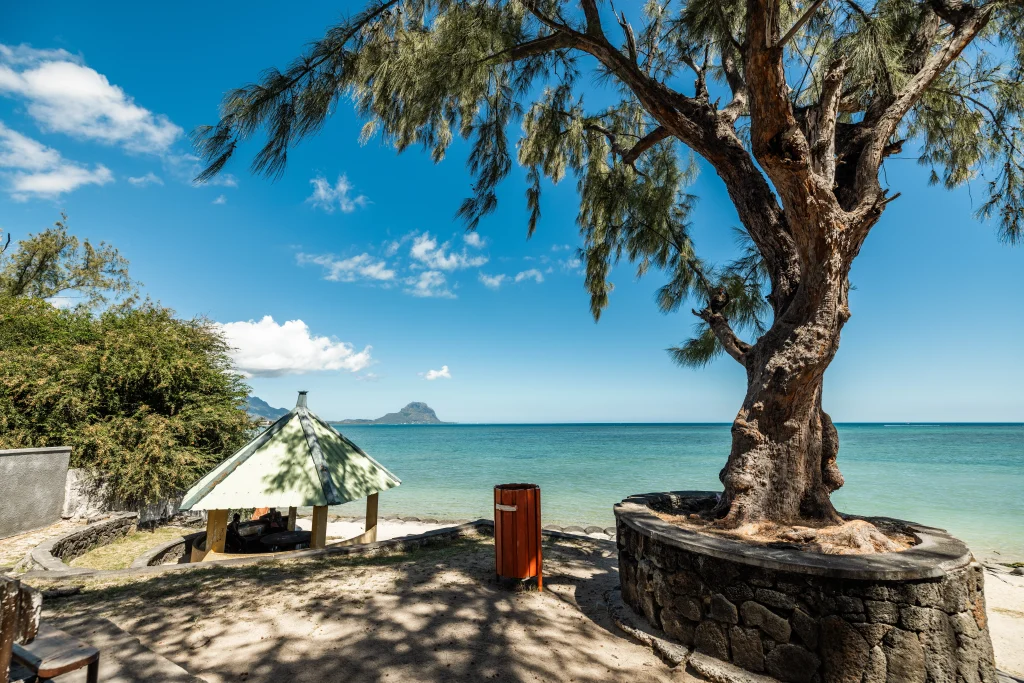
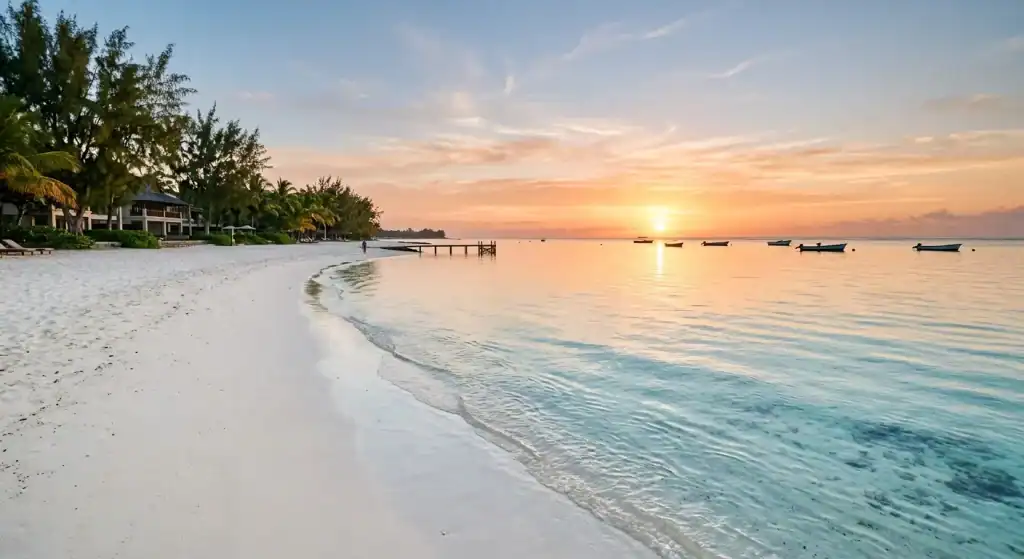
Planning a trip to Mauritius can feel overwhelming for first-time travelers navigating timing, safety, culture, and logistics. This guide offers clear, practical tips to help you avoid common mistakes and travel with confidence, covering when to visit, how to get around, and what to expect.
Mauritius Travel Tips for a Smooth and Memorable Island Holiday
Mauritius is a breathtaking island nation known for its turquoise lagoons, volcanic peaks, and multicultural heritage. When planning your island holiday, following specific Mauritius travel tips will ensure your journey is both seamless and rewarding. Before you depart, understanding how to get to Mauritius is the essential first step toward reaching this tropical Indian Ocean paradise.
Comprehensive Guide to Mauritius Travel
Planning a successful trip involves balancing seasonal weather patterns with cultural awareness and personal safety. By preparing in advance, you can fully immerse yourself in the vibrant local lifestyle and stunning natural environments. This guide will ensure that your trip to Mauritius is well-organized and memorable, providing essential information on timing, budgeting, local customs, transportation, and safety, helping you avoid common pitfalls.
Understanding the Best Time to Visit Mauritius
The timing of your visit can significantly impact your experience in Mauritius. With its tropical climate, Mauritius experiences summer from November to April and winter from May to October. The summer months can be quite humid, making outdoor activities such as hiking and sightseeing more challenging. However, the winter months, from May to December, offer cooler and drier conditions, ideal for outdoor exploration and beach visits. Understanding these seasonal patterns allows you to plan activities that best match the climate, such as beach holidays in the summer and hiking or cultural experiences in the cooler months.
Budgeting and Smart Spending
Mauritius offers options for all budgets, but being strategic about when and how to spend can help you maximize your holiday without overspending. While the peak tourist season runs from May to December, booking early can help you secure the best rates on flights and accommodations. Traveling during the off-peak season, while still pleasant, can save you money on lodging, especially if you’re willing to book during the humid summer months.
If you plan on enjoying the luxury of high-end resorts or all-inclusive packages, consider researching local deals or last-minute discounts. Budget travelers can still experience the island’s beauty by opting for mid-range accommodations or local guesthouses, where they can interact more closely with local culture and cuisine.
Navigating Local Customs and Etiquette
Mauritius is a melting pot of cultures, and respecting its diverse traditions is essential for a smooth experience. French, English, and Mauritian Creole are the primary languages spoken on the island, so learning a few local phrases can enhance your interactions with locals. In addition, you will find that the island’s population practices a variety of religions, and understanding cultural etiquette goes a long way in building rapport.
When visiting places of worship such as temples, mosques, or churches, be sure to dress modestly. This means covering your shoulders and knees out of respect for religious traditions. It’s also polite to greet locals with a smile and, when appropriate, ask questions about their culture or traditions. Being open to cultural exchanges can create a more enriching experience during your stay.
Transportation Tips for Exploring Mauritius
To fully explore Mauritius, you need to consider how you’ll get around the island. Renting a car is the most flexible and convenient way to explore at your own pace. With a car, you can access more remote beaches, nature reserves, and towns, making the journey as much of an adventure as the destination. Car rental services are abundant and affordable, with both local and international companies available.
Public transportation options, such as buses and taxis, are available for tourists, but they tend to be slower and less efficient for those who want to maximize their time. While taxis are ideal for short trips, buses are better suited for budget travelers who have the time to explore the island leisurely. Consider downloading a map or GPS app to ensure you’re navigating efficiently, especially if you’re venturing to more remote areas.
Ensuring Safety During Your Stay
Mauritius is a safe destination, but like any travel experience, it’s important to remain vigilant, especially in busy tourist areas. Petty thefts, such as pickpocketing, can occur in crowded markets and along popular beaches, so always keep a close eye on your belongings. It’s advisable to use hotel safes to store your valuables and carry only what you need when out exploring.
While the beaches and coral reefs are some of Mauritius’ most iconic attractions, it’s essential to practice responsible tourism. Avoid touching coral reefs and be mindful of the fragile marine ecosystems while snorkeling or diving. Many tour operators now offer eco-friendly experiences, and opting for these tours can support the island’s sustainability efforts.
Lastly, ensure your travel documents are safe at all times. Carry a copy of your passport and keep the original in a secure location, such as your hotel safe, to avoid any unnecessary headaches should anything happen during your trip.
Mauritius Travel Tips for a Safe and Enjoyable Journey
Following practical Mauritius travel tips can help travelers enjoy a smoother and more rewarding island experience. Understanding the best seasons to visit, local customs, transportation options, and safety practices allows visitors to confidently explore Mauritius while avoiding common travel challenges. Preparing ahead of time also makes it easier to experience the island’s beaches, cultural attractions, nature parks, and local cuisine without unnecessary stress.
Optimal Timing and Budgeting
The best time to visit Mauritius typically spans from May to December, when the weather is cooler and drier. Data from Statistics Mauritius indicates that visitor numbers peak during these months due to the pleasant conditions for outdoor exploration. For those watching their budget, identifying the cheapest time to go to Mauritius during the more humid summer months can lead to significant savings on accommodation.
Pro Tip: Booking your resort and flights several months in advance is recommended to secure the most competitive rates.
- Off-Peak Travel: For those looking to save even more, consider visiting during the shoulder seasons in April and October, when the weather is still pleasant, and you can avoid the crowds. Hotel rates tend to be lower, making it a great time for budget-conscious travelers.
- Booking Strategies: When planning your trip, use comparison websites for both flights and accommodations. Set up price alerts to track fluctuations in rates, which can help you spot discounts or promotions. Flexible travel dates can also allow you to take advantage of lower fares.
- Accommodation Options: If you’re looking to save money, consider staying in guesthouses, boutique hotels, or self-catering accommodations. These options often provide a more local experience at a fraction of the cost of large resorts. Many offer the added benefit of kitchen facilities, allowing you to save further by preparing your meals.
- Discounts for Longer Stays: Many hotels offer discounts for extended stays, especially during the off-peak season. If you plan to stay for more than a week, inquire about special packages or reduced rates for longer bookings.
- Local Dining: Eating out at local restaurants or street food stalls is not only a great way to immerse yourself in Mauritius’ culinary culture but also a cost-effective way to enjoy delicious meals. Avoiding international hotel restaurants can lead to significant savings.
- Public Transport: Instead of using taxis or renting a car every day, take advantage of public buses, which offer an affordable way to travel around the island. Public buses are well-connected to most major tourist destinations, although they may be slower than other transportation options.
- Currency Exchange: For the best exchange rates, avoid changing money at airports or in tourist-heavy areas. Instead, use ATMs for better rates, or exchange money at local banks or reputable exchange offices.
Cultural Customs and Language
The island’s cultural tapestry is a vibrant blend of African, Indian, Chinese, and European influences. Understanding what languages are spoken in Mauritius can help you connect more deeply with the locals. While English is used for official administration, you will find that French and Mauritian Creole are the most common languages in daily life. The Smartraveller advisory emphasizes that respecting local laws and customs is vital for a trouble-free visit.
Religious Etiquette: Dress modestly when visiting temples, mosques, or churches by ensuring your shoulders and knees are covered.
Adventure and Island Safety
Beyond the coastal resorts, there is an incredible variety of what to see in Mauritius for nature enthusiasts. From the lush trails of Black River Gorges National Park to lounging on the best beaches in Mauritius, the landscape is diverse. The World Travel & Tourism Council highlights the importance of nature-based tourism to the regional economy, and visitors are encouraged to use eco-friendly operators.
Marine Protection: Avoid touching or stepping on coral reefs while snorkeling to protect the fragile marine ecosystems.
While the island is generally safe, the Government of Canada suggests that visitors remain vigilant in crowded tourist hubs to prevent petty theft. Additionally, the U.S. Department of State advises keeping your travel documents and valuables in a secure hotel safe.
Essential Mauritius Travel Safety & Practical Tips
- Always carry a copy of your passport and keep the original stored safely
- Use reef-safe sunscreen to protect both your skin and marine life
- Drink bottled or filtered water, especially in rural areas
- Keep emergency contacts and hotel details easily accessible
- Use licensed guides and operators for tours and excursions
Mauritius Travel Tips for a Stress-Free and Enjoyable Trip
Using the right tips can make a major difference in how smoothly your trip goes, from planning the best travel season to understanding local customs and transport options. With proper preparation, you can enjoy Mauritius’ beaches, culture, and adventure activities without unnecessary stress. A well-informed approach ensures a safer, more enjoyable, and truly memorable island experience.
Plan Your Mauritius Adventure with Expert Guidance
Make your trip to Mauritius effortless and well-planned with help from Island Route. Get expert travel advice, custom itineraries, and local insights tailored to your travel style. Whether you’re visiting for relaxation, adventure, or culture, Island Route helps you experience Mauritius at its best.
Frequently Asked Questions
1. What are the top travel tips for Mauritius?
The top tips include planning your visit between May and December for the best weather conditions, booking flights and accommodation early to secure better prices, and respecting local customs and traditions. It is also important to stay protected from the strong tropical sun by using sunscreen, staying hydrated, and wearing light clothing, especially when exploring beaches and outdoor attractions.
2. What should I pack for a trip to Mauritius?
For Mauritius, pack lightweight and breathable clothing suitable for a tropical climate, along with swimwear for beach and water activities. Essentials include reef-safe sunscreen, sunglasses, a hat, and comfortable walking shoes for sightseeing. If you plan to visit temples or cultural sites, bring modest clothing that covers shoulders and knees. A light jacket is useful for cooler evenings during winter months.
3. How can I travel smartly around Mauritius?
The smartest way to explore Mauritius is by renting a car, as it gives you flexibility to visit beaches, mountains, and remote attractions at your own pace. Taxis are convenient for short trips, while buses are affordable but slower and less tourist-friendly. Planning your routes in advance and grouping nearby attractions together can help you save both time and transportation costs.
4. Is Mauritius safe for tourists?
Yes, Mauritius is widely considered one of the safest tourist destinations in the region. However, like any travel location, it is wise to take basic precautions such as keeping valuables secure, using hotel safes, and avoiding poorly lit or isolated areas at night. Staying aware in busy markets and tourist spots helps prevent petty theft and ensures a smooth travel experience.
5. What is the best time to visit Mauritius?
The best time to visit Mauritius is between May and December when the weather is cooler, drier, and ideal for sightseeing, hiking, and outdoor activities. November to April offers warmer tropical conditions perfect for beaches, swimming, and water sports, though it is more humid and crowded. Choosing the right season depends on whether you prefer adventure, relaxation, or budget-friendly travel.
Key Takeaways
- The most comfortable weather for exploration occurs between May and December.
- Respect local customs by dressing modestly at all religious and cultural sites.
- Book your transport and accommodation early to secure the best availability.
- Protect the environment by practicing responsible snorkeling and eco-tourism.
- Maintain awareness of your surroundings in busy areas to ensure personal safety.