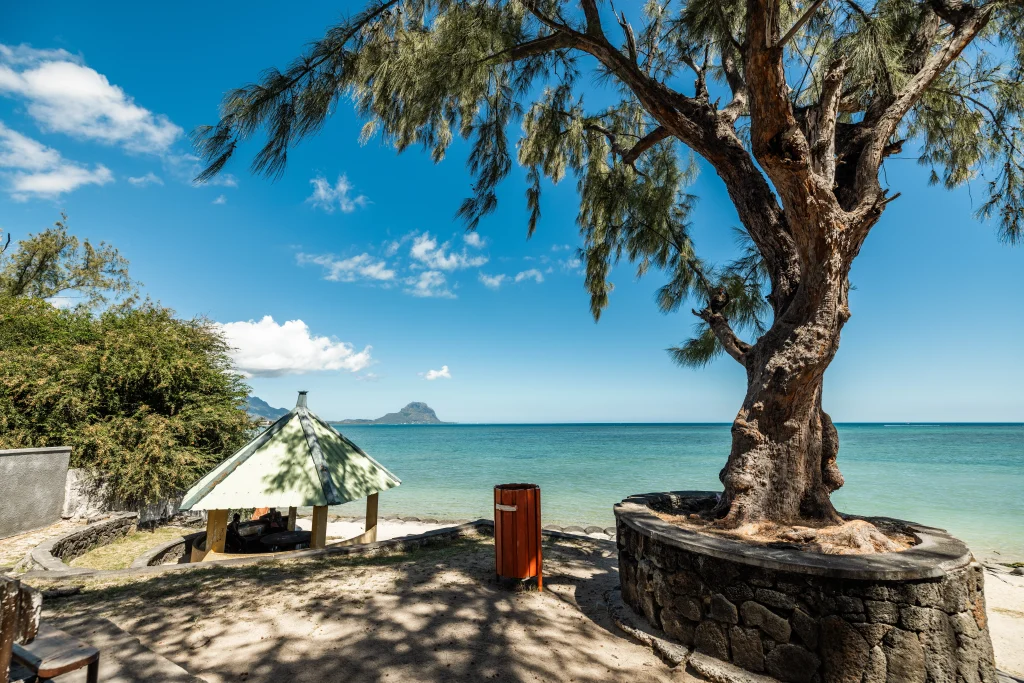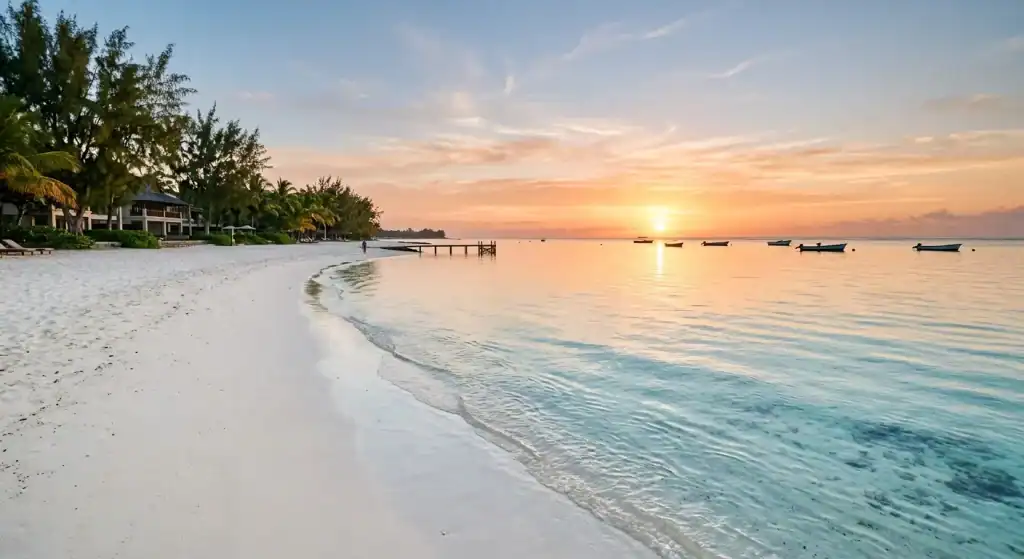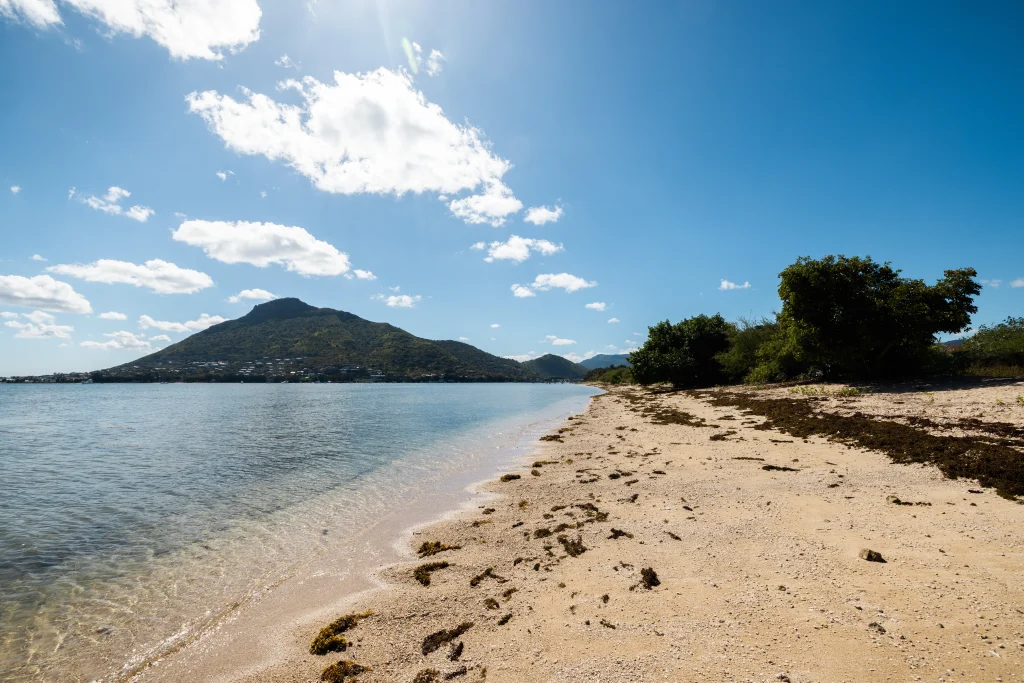


Traveling to Mauritius can be unforgettable, but only if you prepare with the right safety, cultural, and seasonal knowledge. This guide is designed for travelers who want clear, practical, and up-to-date advice before visiting the island. You’ll learn essential tips on safety, weather, entry requirements, and local customs to help you travel with confidence.
Expert Mauritius Travel Advice for Your Island Getaway
Mauritius is one of those postcard-perfect islands that seems almost too good to be true, boasting turquoise waters and lush landscapes. To ensure your trip is as seamless as the scenery, following expert mauritius travel advice is the best way to prepare for the local environment. Before you depart, researching how to get to Mauritius will help you navigate international flight paths and entry points effectively.
Entry Requirements & Visa Information
This is a major gap because most travelers specifically search this before anything else.
Mauritius is visa-friendly for many nationalities, but rules vary depending on passport type. Adding this helps users avoid confusion at the planning stage.
What to Include:
- Visa-free or visa-on-arrival eligibility overview
- Passport validity requirements (usually 6 months rule)
- Proof of return ticket and accommodation
- Possible immigration checks on arrival
Cultural and Environmental Guidelines
Mauritius is a safe and welcoming destination, known for its multicultural harmony and hospitality. When looking at solo female travelers safety in Mauritius, the island is frequently cited as one of the most secure locations for independent voyagers in the region.
To stay informed on the latest safety protocols, travelers should consult the Government of Canada for updated travel advisories. Many visitors are pleased to find that the island is exceptionally inclusive, for instance, those wondering is Mauritius Muslim-friendlywill find an abundance of halal food and active mosques.
Communication is also relatively straightforward, and understanding what languages are spoken in Mauritius, primarily French and Creole can greatly enrich your social interactions. For general security and crime statistics, the U.S. State Department provides comprehensive oversight for international tourists.
Cultural Travel Tips
- Dress modestly in religious or rural areas
- Learn basic French or Creole phrases for easier interaction
- Respect local customs and traditions
- Ask permission before photographing locals
Planning Around Weather and Health
Planning your trip around local weather patterns is equally vital for a successful experience. The best time to visit Mauritius is generally from May to December, which avoids the peak of the cyclone season. It is highly recommended to review what is the weather like in Mauritius year-round to understand how microclimates can change between the coast and the central plateau. Health is another priority; the CDC recommends being current on all routine vaccinations before arrival. Furthermore, documentation and legal logistics are covered extensively by the UK Foreign Office and Australia’s Smartraveller service, ensuring you are prepared for any administrative requirements during your stay.
Weather and Health Preparation Tips
- Travel May–December for best weather conditions
- Pack sun protection year-round (sun is very strong)
- Carry basic medications and travel insurance
- Stay updated on vaccination recommendations
Where to Stay in Mauritius (Best Areas)
You mention hotels in passing, but not where to stay, which is a high-intent travel query.
What to Include:
- North Coast (Grand Baie): nightlife, beaches, restaurants
- West Coast (Flic en Flac): sunsets, calm waters, families
- East Coast (Belle Mare): luxury resorts, quieter vibe
- South (Le Morne): nature, hiking, dramatic scenery
- Port Louis: business + cultural access
Transportation Tips for Getting Around Mauritius
Getting around Mauritius is relatively straightforward, but planning ahead can make a big difference in comfort, cost, and time efficiency. While the island is not very large, travel times can still vary due to winding coastal roads, traffic near urban centers like Port Louis, and slower routes in rural areas. Choosing the right transport option depends on your itinerary, budget, and how much flexibility you want during your trip.
Getting Around the Island Efficiently and Safely
-
Use registered taxis or hotel-arranged transfers for reliable pricing and safer travel, especially from the airport or during late-night trips
-
Consider renting a car if you want full flexibility to explore hidden beaches, mountain viewpoints, and inland attractions at your own pace
-
Public buses are budget-friendly and widely used by locals, but they operate on fixed routes and can be slower and less convenient for tight schedules
-
Plan routes in advance and allow extra travel time, as roads can be narrow, scenic, and occasionally congested during peak hours
Currency, Budgeting & Costs
This is often searched and improves travel planning value.
What to Include:
- Currency used (Mauritian Rupee)
- Card vs cash usage
- Average daily budget ranges (budget / mid / luxury)
- ATM availability and fees
- Tipping expectations in different settings
Food, Dining, and Cultural Etiquette in Mauritius
Mauritius offers a rich blend of Creole, Indian, Chinese, and French influences, making its food scene one of the highlights of any visit. Beyond the cuisine, understanding local dining customs and cultural etiquette helps you connect more meaningfully with locals and avoid unintentional disrespect. Eating out is generally relaxed, but small cultural considerations go a long way in enhancing your experience.
Enjoy Local Cuisine While Respecting Traditions
-
Try Creole dishes, fresh seafood, and popular street food like dholl puri and gateaux piments for an authentic taste of the island
-
Many restaurants and eateries in tourist and urban areas offer halal-friendly options, making it easier for Muslim travelers to dine comfortably
-
Dress modestly when visiting religious sites such as temples, mosques, or shrines, and remove footwear when required
-
Tipping is appreciated but not strictly required; always check if a service charge has already been included in the bill
Activities, Beaches, and Outdoor Safety in Mauritius
Mauritius offers incredible natural experiences, from pristine beaches and coral reefs to volcanic hiking trails and water sports. While these activities are a major highlight of any trip, it’s important to enjoy them responsibly. Weather conditions, strong sun exposure, and varying sea currents mean that basic safety awareness is essential for a smooth and enjoyable experience.
Make the Most of Nature While Staying Safe
-
Apply high-SPF sunscreen regularly and reapply after swimming, as tropical UV exposure is strong even on cloudy days
-
Always follow local safety instructions when swimming, especially near coral reefs or areas with stronger currents and limited lifeguard presence
-
Book water activities like snorkeling, diving, or parasailing only with licensed and reputable operators for proper safety standards
-
Wear sturdy footwear and carry enough water when hiking trails such as volcanic sites or nature parks, as terrain can be uneven and hot
Connectivity & SIM Cards in Mauritius
Staying connected in Mauritius is generally easy, especially in tourist areas and major towns. Most visitors choose to buy a local SIM card upon arrival for affordable mobile data, which is useful for maps, bookings, and communication. Wi-Fi is widely available in hotels, resorts, and many cafes, but mobile data is often more reliable when traveling around the island.
What to Expect for Connectivity
-
Tourist SIM cards are available at the airport and from major mobile providers across the island
-
Mobile network coverage is generally strong in cities and tourist regions, with occasional weaker signals in remote or mountainous areas
-
Wi-Fi is commonly offered in hotels, resorts, and cafes, though speeds may vary depending on location
-
It’s recommended to purchase a data plan for easy access to navigation apps, ride bookings, and travel updates
Local Laws & Things to Avoid in Mauritius
Mauritius is a safe and tourist-friendly destination, but like any country, it has local laws and cultural expectations that visitors should respect. Being aware of these rules helps ensure a trouble-free trip and shows respect for the island’s environment and traditions.
Important Laws and Travel Considerations
-
Drug laws are very strict, and penalties for possession or trafficking are severe
-
Religious and cultural sites require respectful behavior, including modest dress and quiet conduct
-
Drone usage may be restricted in certain areas, especially near airports, resorts, and protected zones
-
Beaches and marine areas are often protected, so avoid damaging coral reefs or removing marine life
-
Environmental protection is taken seriously, and littering or harming wildlife can result in fines
Making the Most of Mauritius Travel Advice
Good preparation is the key to a smooth and enjoyable trip to Mauritius. By following trusted travel guidance on safety, weather patterns, and cultural etiquette, you can avoid common mistakes and focus on enjoying the island’s beauty. This mauritius travel advice helps you travel smarter, stay safer, and experience the destination with confidence.
Plan Your Mauritius Trip with Expert Support
Ready to explore Mauritius with ease? Visit Island Route for expert travel guides, local insights, and planning tools designed to simplify your island experience. For questions or support, reach out through Island Route and start building a safer, smoother, and more enjoyable journey today.
Frequently Asked Questions
1. What advice do locals give tourists visiting Mauritius?
Locals often advise tourists to respect cultural traditions, especially when visiting temples, mosques, and rural communities. Dressing modestly and being polite goes a long way. They also encourage visitors to explore beyond resorts, try local food like street snacks, and engage with Mauritian culture for a more authentic travel experience.
2. How can I stay safe while traveling in Mauritius?
Mauritius is generally safe, but basic precautions are still important. Avoid isolated areas at night, keep valuables secure, and use registered taxis for longer journeys. Stay aware in crowded places like markets and beaches. Following local advice and staying informed through official travel updates ensures a safe and smooth trip.
3. What common mistakes should I avoid in Mauritius?
A common mistake is underestimating the strong tropical sun, so sunscreen and hydration are essential. Many travelers also rely only on taxis without negotiating fares in advance. Staying only in resort areas is another missed opportunity, as it limits exposure to local culture, food, and inland attractions worth exploring.
4. Is it safe to walk around Mauritius at night?
Walking in well-lit, populated tourist areas is generally safe in Mauritius. However, it is still recommended to stay cautious and avoid quiet or poorly lit streets. For longer distances at night, using registered taxis or arranged transport is the safest option to ensure comfort and security.
5. Do I need travel insurance for Mauritius?
Yes, travel insurance is strongly recommended for Mauritius. It helps cover unexpected medical expenses, trip delays, or lost belongings. While the island has good healthcare facilities, insurance provides extra peace of mind and ensures you are protected during emergencies or unforeseen travel disruptions.
6. What is the best way to get from the airport to my hotel in Mauritius?
The most convenient ways to travel from Sir Seewoosagur Ramgoolam International Airport are pre-booked hotel transfers, registered taxis, or private shuttle services. Many hotels offer airport pickup, which is often the safest and most stress-free option for first-time visitors. Taxis are readily available at the airport, but it’s best to confirm the fare before starting your journey. Ride-hailing apps are limited, so arranging transport in advance is highly recommended.
7. What should I pack for a trip to Mauritius?
Packing for Mauritius should focus on light, breathable clothing for warm weather, along with swimwear for beaches and water activities. Sun protection is essential, including high-SPF sunscreen, sunglasses, and a hat due to strong UV exposure year-round. If you plan to hike or explore inland areas, bring comfortable walking shoes. A light rain jacket is also useful if you’re traveling during the wetter season (December to April).
Key Takeaways
- Mauritius is generally safe and welcoming, but travelers should still follow basic precautions like avoiding isolated areas at night and securing valuables.
- The best time to visit is typically May to December, when weather conditions are more stable and outside the cyclone season.
- Understanding local culture improves the experience, dress modestly in religious areas, learn basic French or Creole, and respect local customs.
- Transport planning is important: taxis and hotel transfers are safest, car rentals offer flexibility, and public buses are budget-friendly but slower.
- The island offers diverse food and activities, from Creole street food to water sports, but travelers should prioritize licensed operators and sun protection.
- Travel insurance and preparation (vaccinations, documents, and safety awareness) are strongly recommended to handle unexpected issues smoothly.